
Category: Blog
-

AI Implementation and Employee Performance: Why Meaning Matters More Than Technology
Research shows that work meaningfulness, not technical sophistication, determines whether AI adoption strengthens satisfaction and performance. In one study of employees actively working with AI, researchers examined what actually drives satisfaction and performance in AI-enabled workplaces. The interesting part was this: AI itself was not the determining factor. The presence of advanced tools, automation systems,…
-
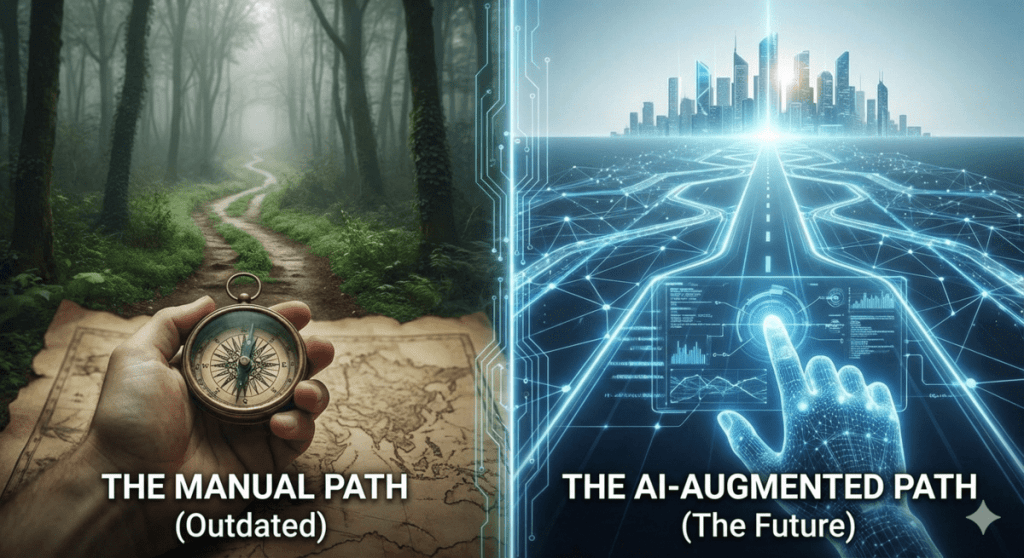
The AI Divide: Is Working Without Artificial Intelligence Now “Outdated”?
In 2026, the question isn’t if AI will change your job, but how fast it already has. We’ve moved beyond the sci-fi speculation and into a very practical reality: for many professionals, choosing to work without artificial intelligence is becoming a competitive disadvantage so profound it might as well be called “outdated.” Let’s explore why.…
-

The Theory of Conservation of Resources
The Theory of Conservation of Resources (COR) is a psychological stress theory developed by Stevan E. Hobfoll in 1989. It explains how people respond to stress based on their resources, i.e., things they value and try to protect. The core idea of COR is that people strive to obtain, retain, and protect resources. Stress occurs…
 Loor Lemon